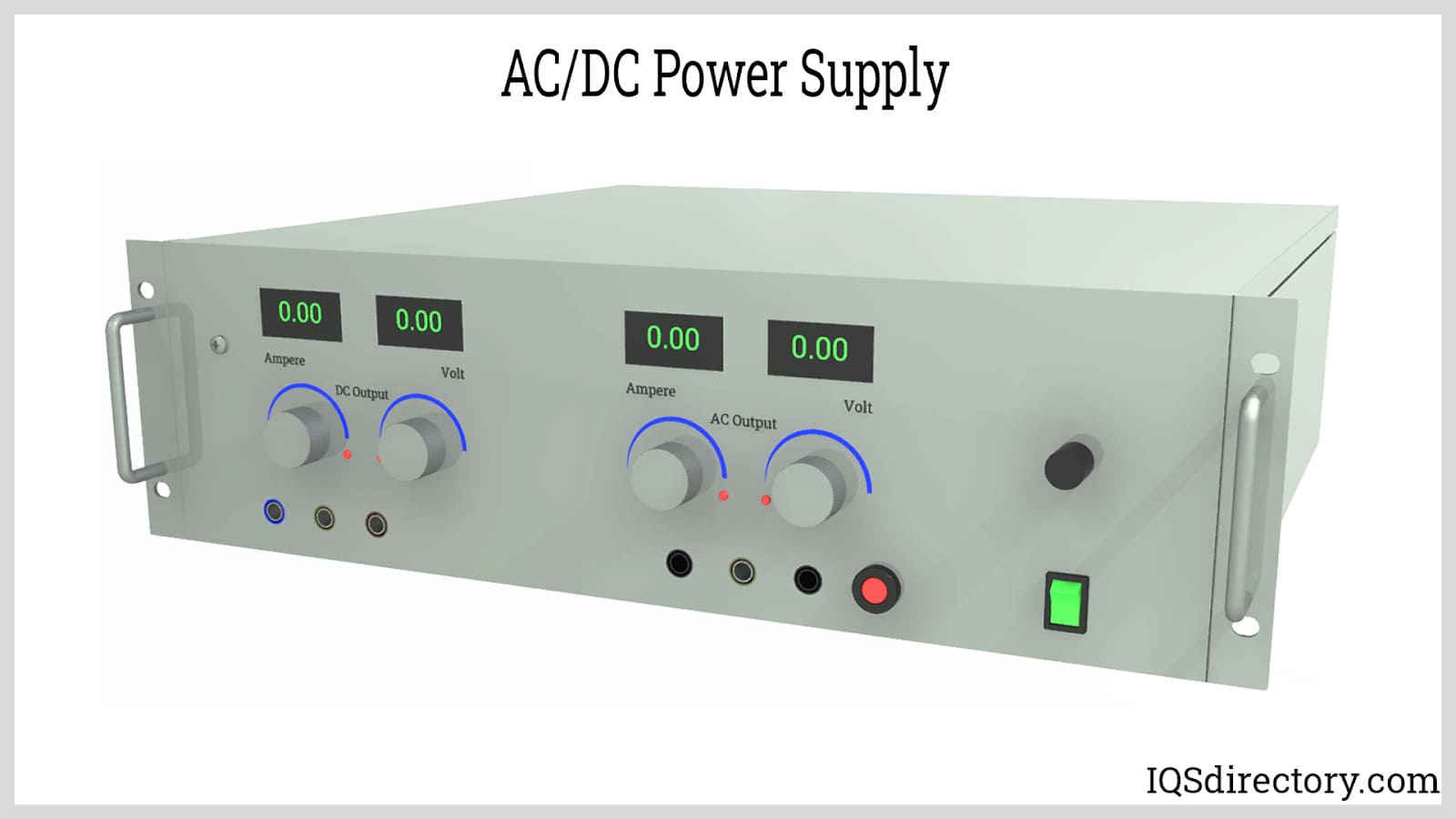
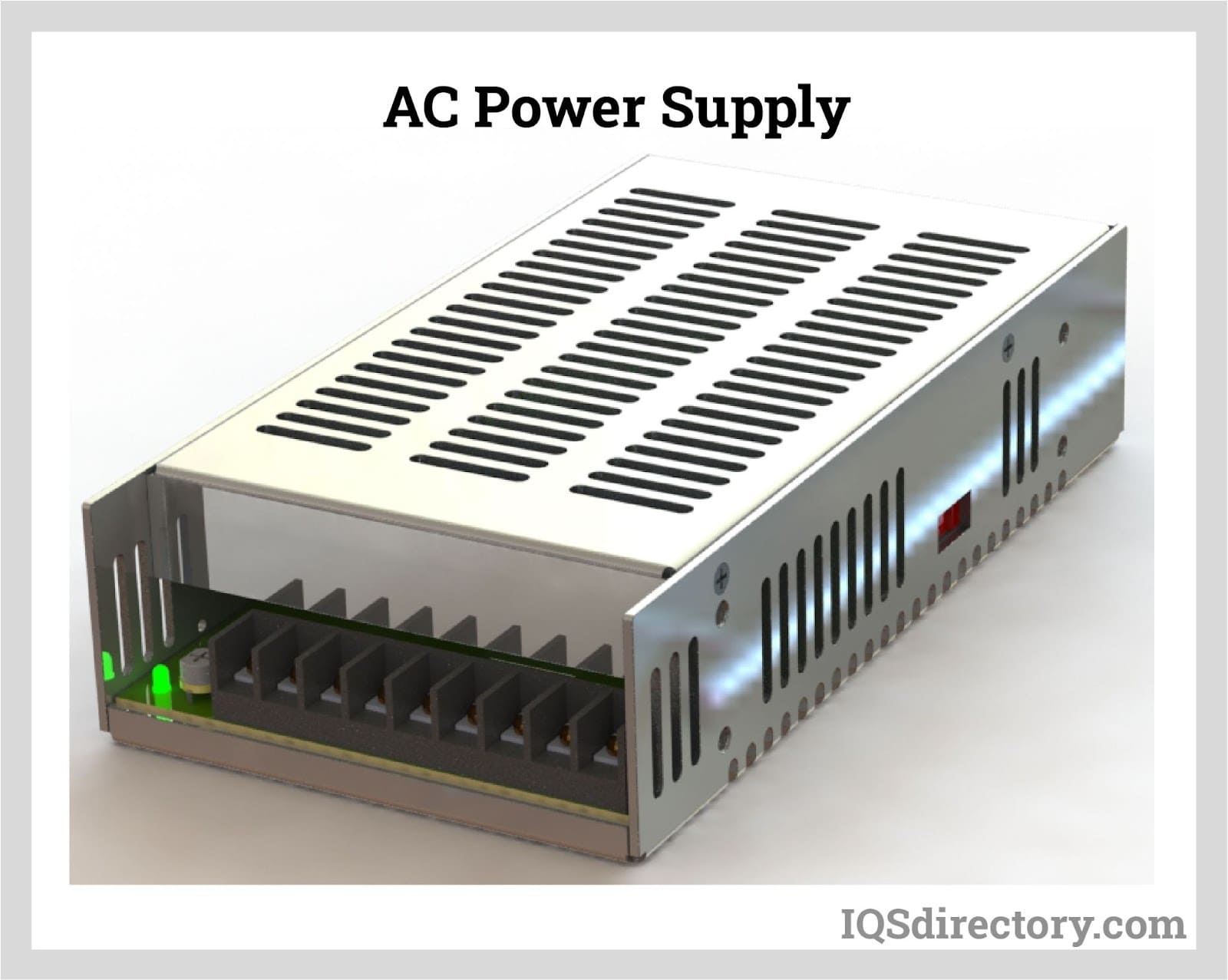
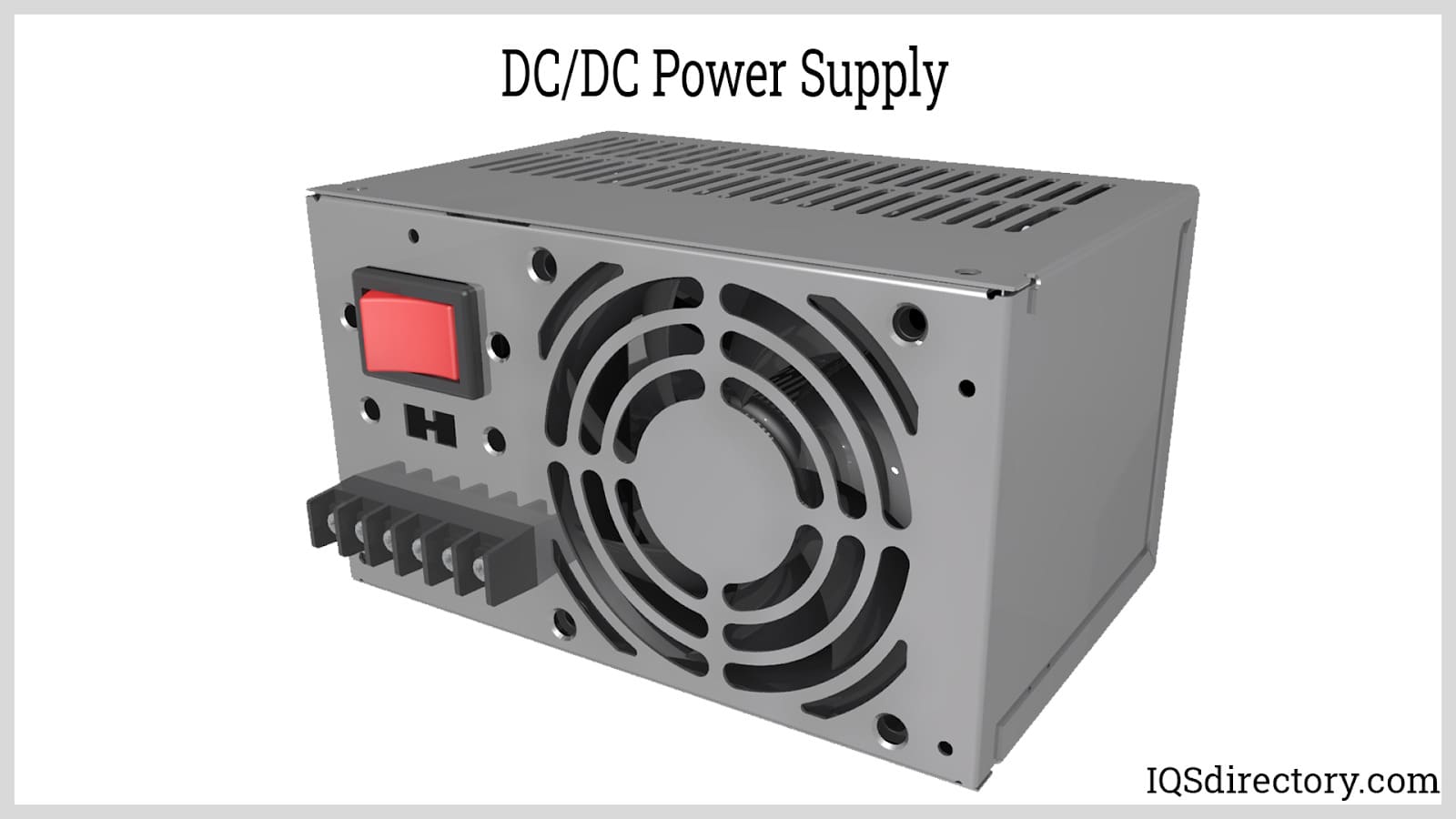
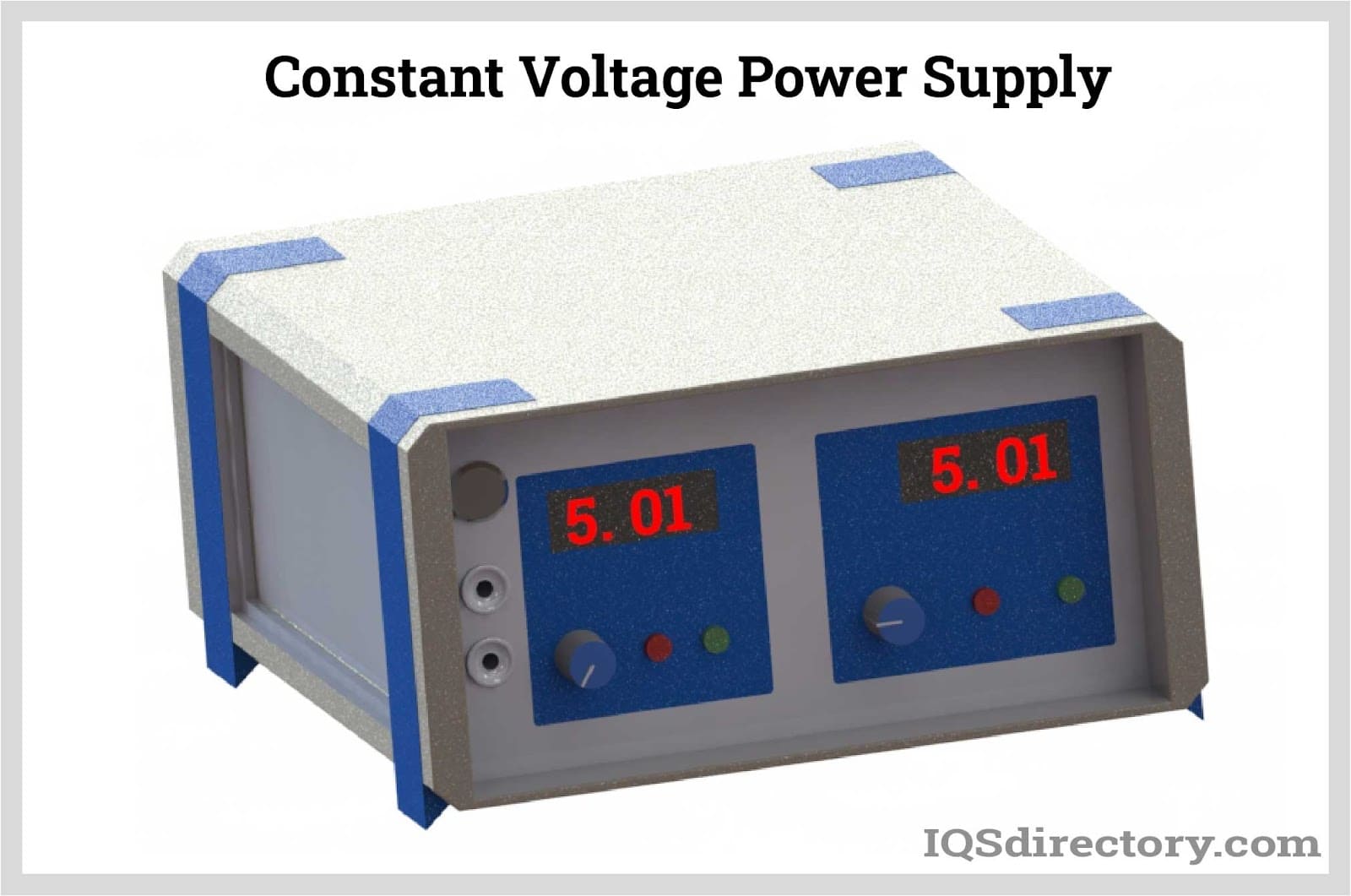
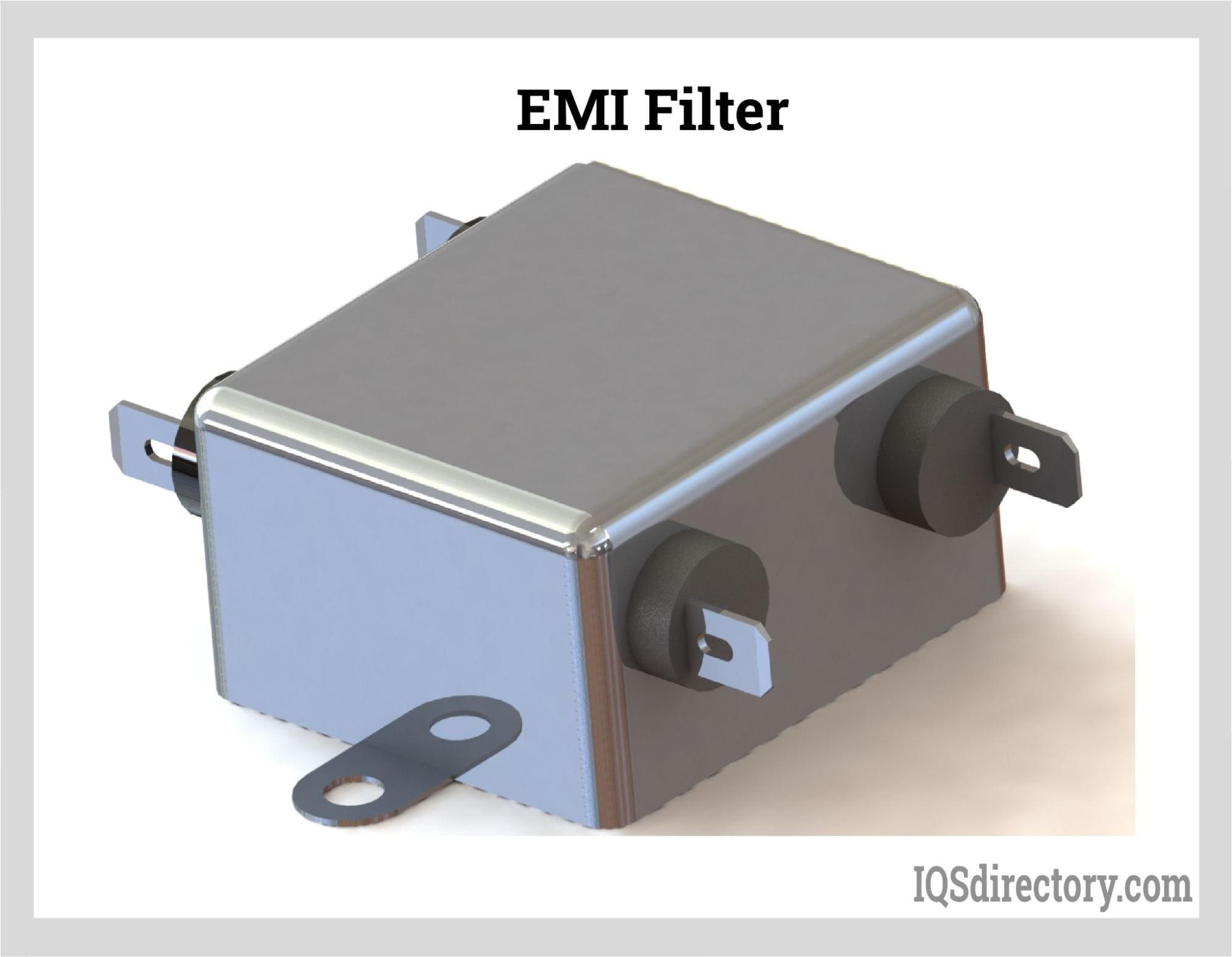
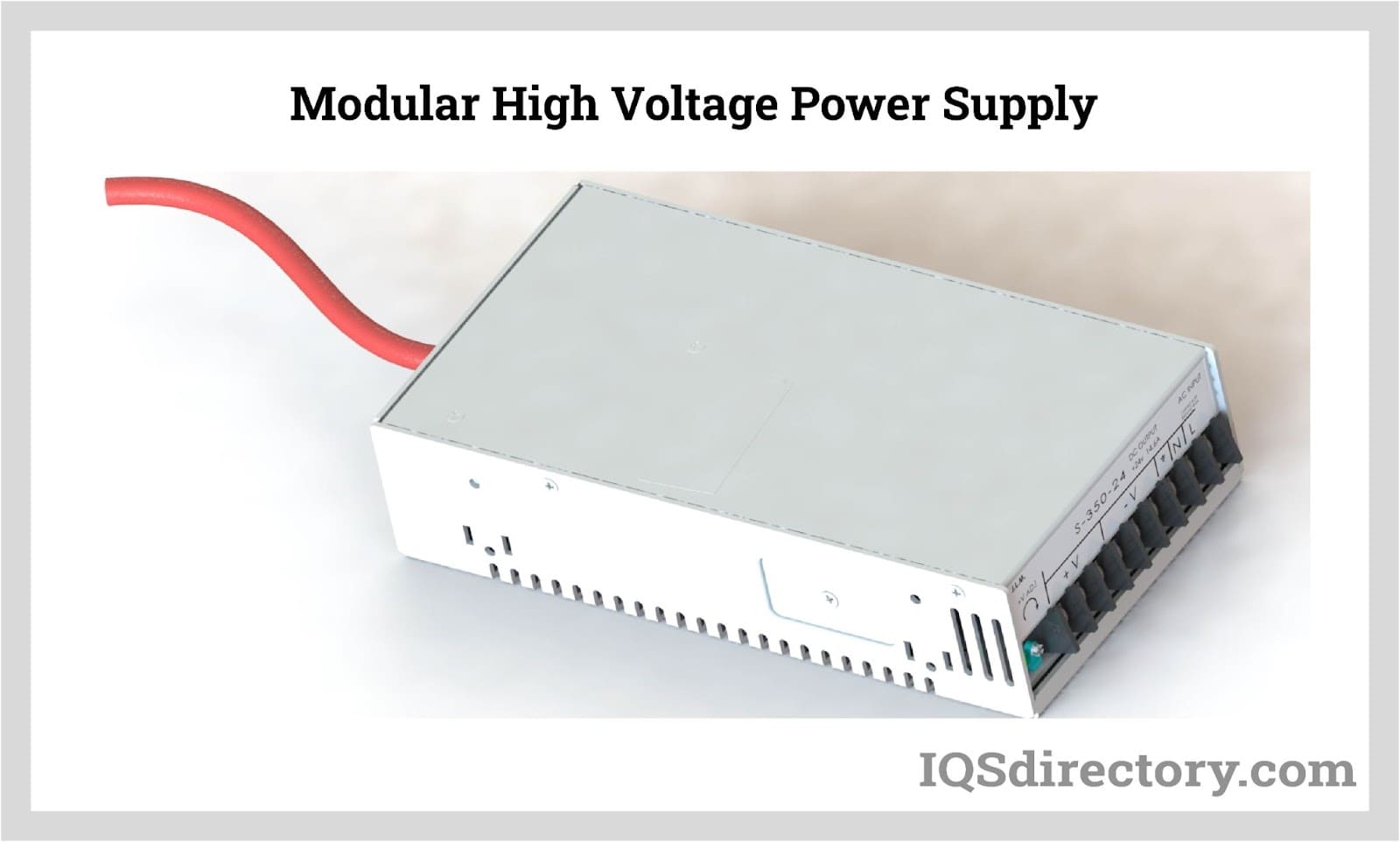
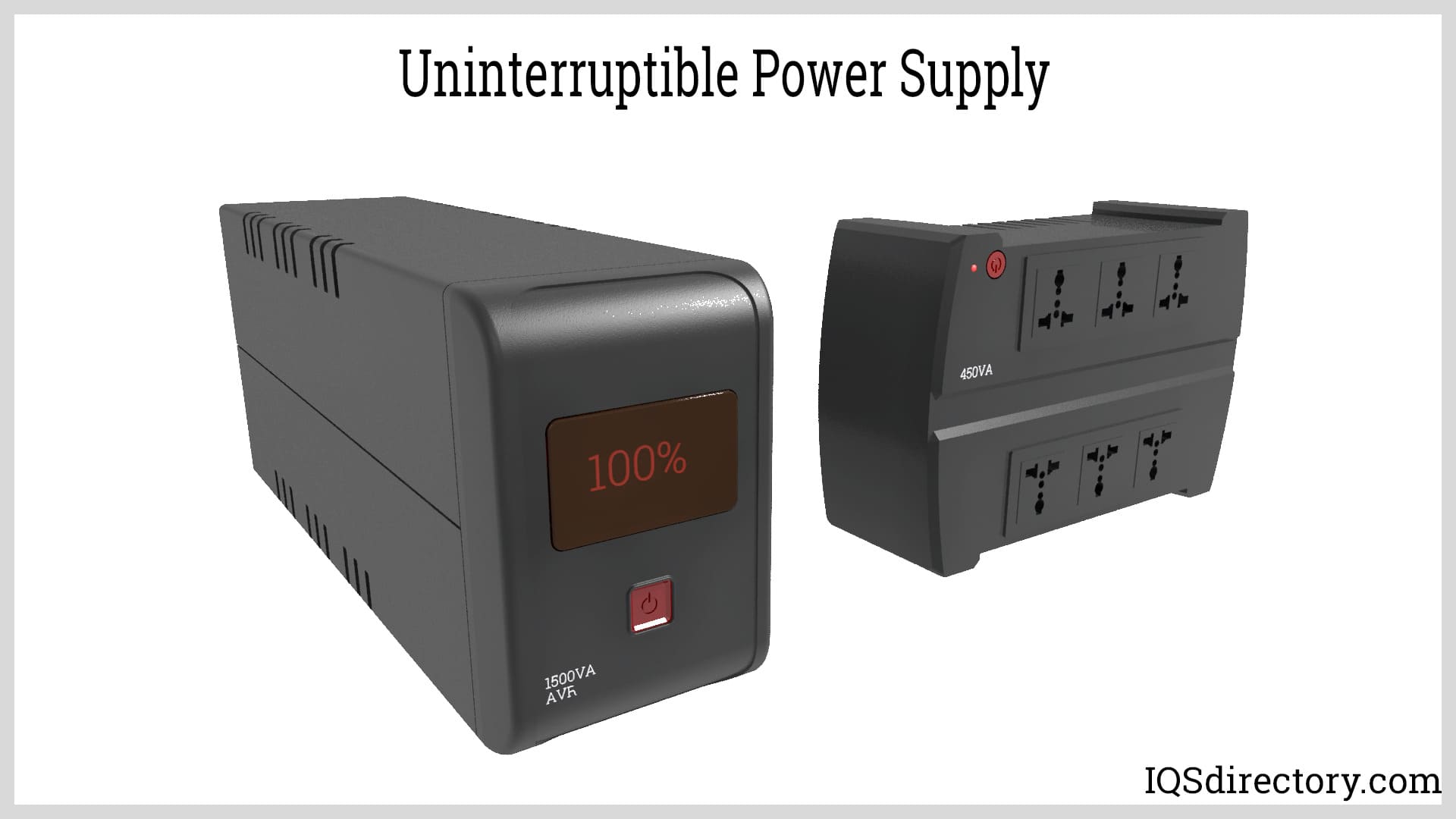
An AC-DC converter is an electrical circuit which transforms (AC) alternating current input to (DC) direct current output. An AC-DC converter is also called a rectifier, it converts the AC input voltage to variable DC output voltage, then optimizes it using a filter to achieve an unregulated DC voltage. Read More…
TDK-Lambda Americas designs and manufactures a wide range of AC-DC and DC-DC power supplies and EMI Filters for Medical, Telecom, Industrial, Datacom, and Test & Measurement applications worldwide. The company has been a major provider of power solutions since 1948. TDK-Lambda is a subsidiary of the TDK Corporation, a leading global electronics company.
Our company offers a variety of standard and custom power supplies. These items are great for a wide range of applications. If you have any special requests then please let our representatives know. If you ever run into any questions or issues then our engineers are available to assist you. There is no project too challenging for our teams! Give us a call today!
For 4 decades, Acopian Power Supplies has specialized in long lasting power supplies (0 volts – 30000 V). We offer AC power supplies, DC power supplies, AC to DC converters, uninterruptible power supply (UPS), AC to DC power supplies & high voltage power supplies. With quality customer service & technical support, we have thousands of power supplies for thousands of applications.
APS are specialists in power conversion and the manufacture of high performance power systems. Products include power converters and inverters; motor drives and brakes; battery chargers; AC and DC power supplies; driver circuits and more. Custom and standard power systems are available.
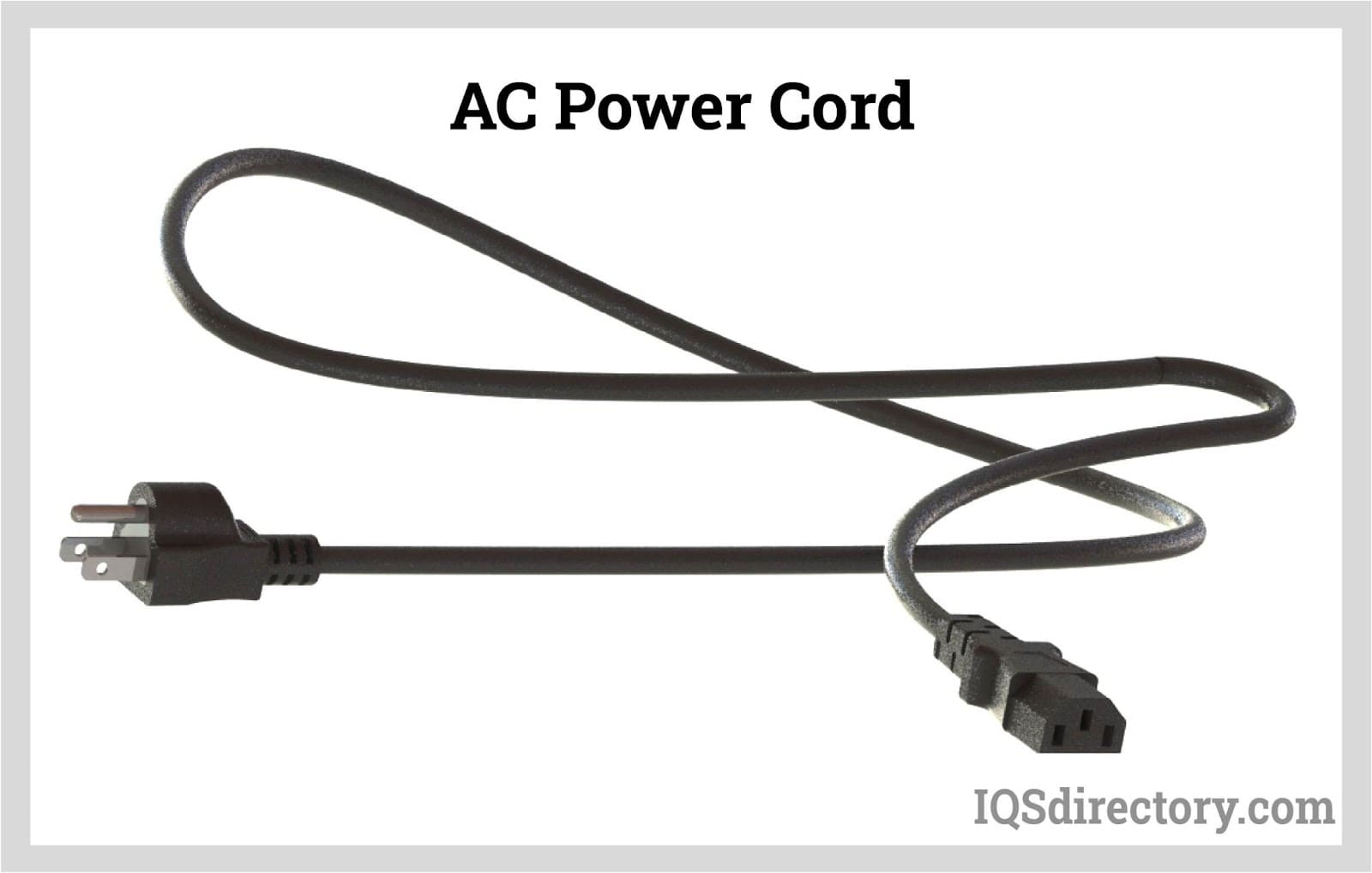
At Quail Electronics, we are your power cord specialists. Our power supplies consist of green dot cords, high voltage cords, North American and international cords, specialty cords, plus adapters, plugs and strips.

More AC to DC Converter Manufacturers
What is an AC-DC Converter?
An AC-DC converter—also known as an AC-DC power supply or rectifier—is an essential electronic device that converts alternating current (AC) from the mains into direct current (DC) required by electronic circuits and devices. The rapid advancement of power electronics technology has made AC-DC converters increasingly relevant across industries, from consumer electronics to industrial automation and renewable energy systems. These converters are designed to efficiently manage, regulate, and deliver electrical power, ensuring voltage and current are optimized for specific end-user applications and sensitive electronic equipment.
AC-DC converters play a critical role in powering everything from smartphones and laptops to medical devices, electric vehicles, LED lighting, and industrial control systems. As the demand for energy-efficient, compact, and high-reliability power solutions grows, AC-DC converters remain at the forefront of innovation, enabling safe and stable operation of modern electronic devices.
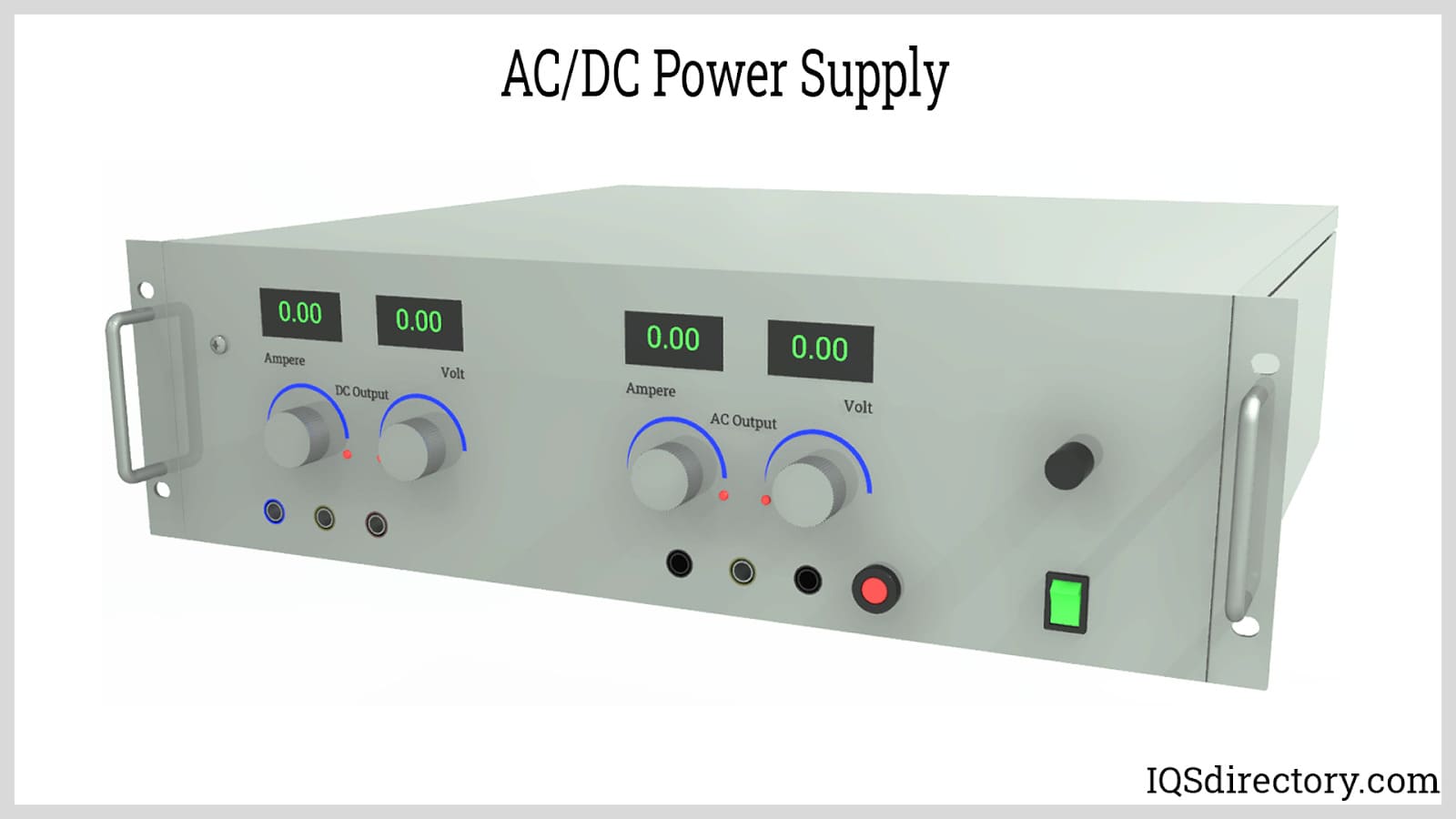
How Does an AC-DC Converter Work?
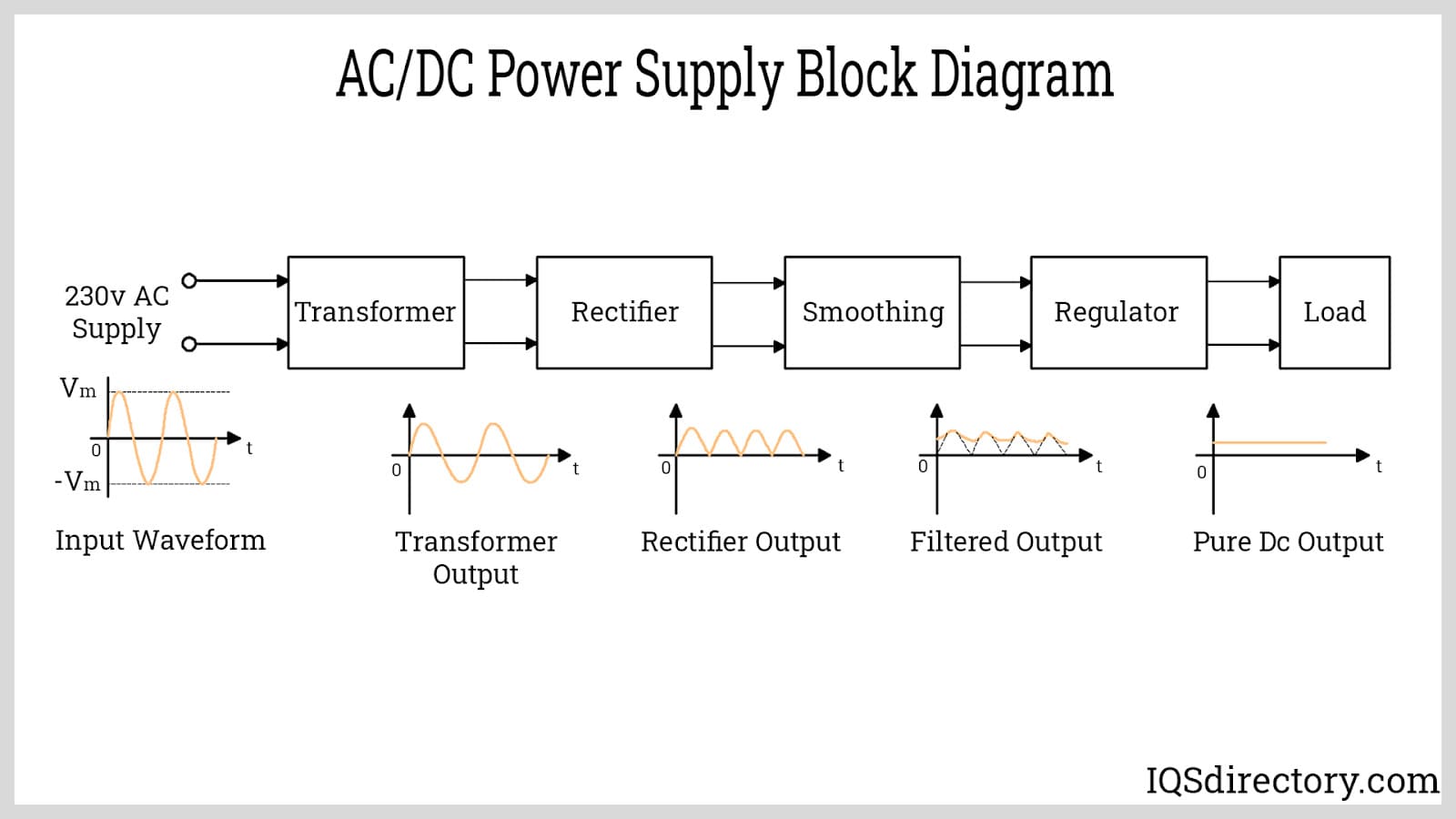
AC-DC power supplies operate through a multi-stage process that transforms high-voltage AC input into the stable DC output required by electronic devices. The main components of an AC-DC converter and their functions are:
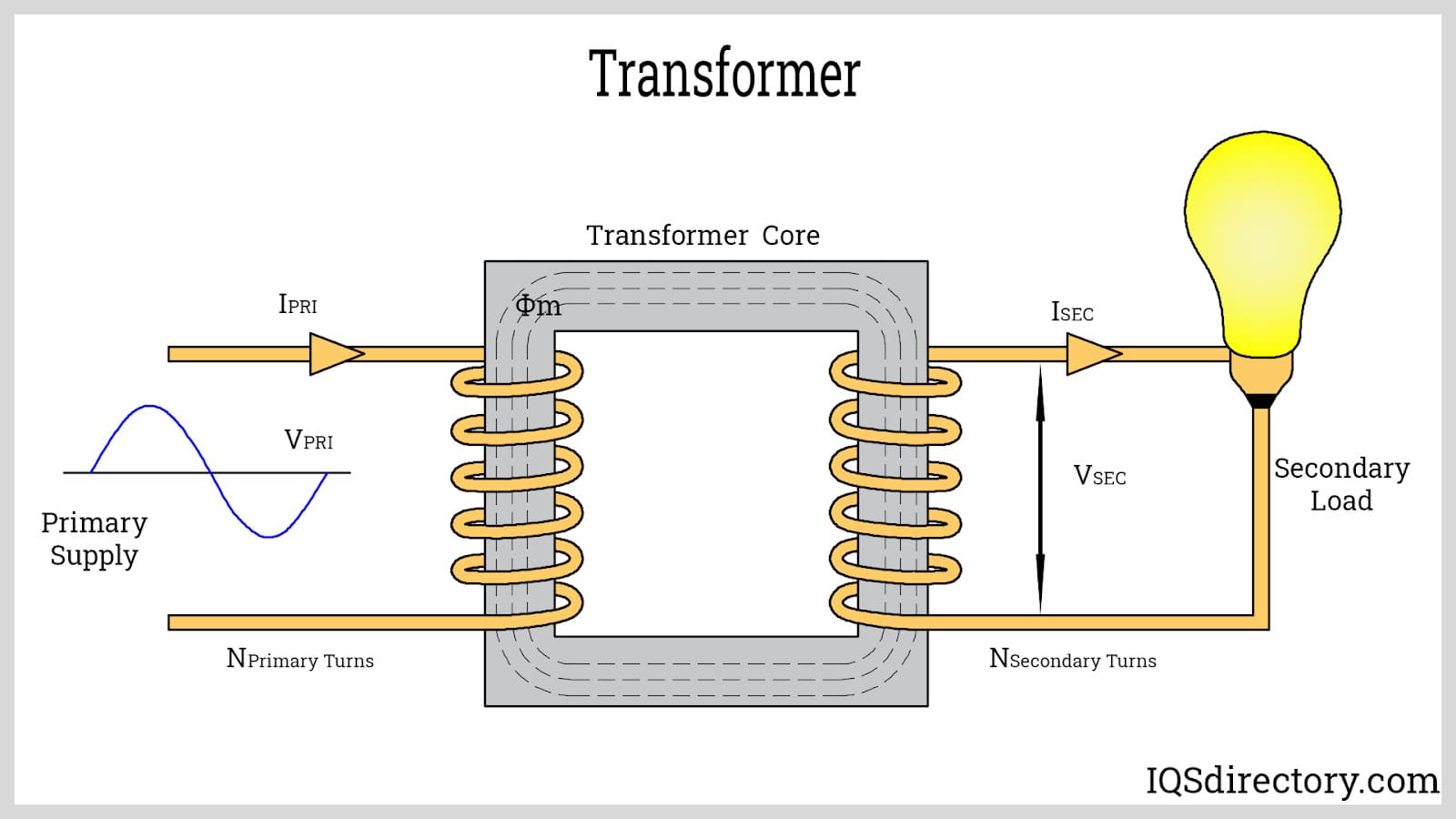
1. Transformer
The transformer adjusts the AC input voltage to the appropriate level—either stepping it up or down—according to the requirements of the connected device. This ensures that sensitive electronics receive the correct voltage and are protected from surges or fluctuations in the input supply.
2. Rectifier
The rectifier—usually composed of diodes—converts AC voltage (which alternates direction) into pulsating DC voltage. The rectification process is essential for transforming sinusoidal AC waves into usable DC power. Learn more about different rectifier technologies and their importance in power conversion.
3. Filter
After rectification, the output still contains unwanted voltage ripples. The filter—typically made up of capacitors and inductors—smooths out these ripples, producing a steady and clean DC output that closely matches the required voltage level.
4. Regulator
The voltage regulator stabilizes the filtered DC output, ensuring that it remains constant—even when the input voltage or load conditions change. This is critical for protecting sensitive electronics and maintaining consistent performance.
What Are the Key Requirements for an AC-DC Converter?
Choosing the right AC-DC converter involves understanding essential requirements based on your specific application. Here are the core requirements modern AC-DC converters must meet:
Compact Size
With the proliferation of portable and space-constrained devices, AC-DC converter manufacturers are focusing on producing small, lightweight, and easy-to-integrate power modules that fit seamlessly into today’s smart devices, medical instruments, and industrial controllers.High Efficiency
High efficiency is critical to minimize energy loss, decrease heat output, and reduce operational costs. Look for AC-DC converters with efficiency ratings above 90% to ensure optimal performance and energy savings.Low Standby Power Consumption
Many smart home appliances, IoT devices, and security systems operate primarily in standby mode. Low standby power ensures minimal energy draw when devices are idle, contributing to overall sustainability and cost savings.Wide Input Voltage Range
Modern AC-DC power supplies often accept a broad range of input voltages (e.g., 85–264VAC) to accommodate global standards and operate reliably in varying environments.Regulatory Compliance and Safety
Compliance with international safety and electromagnetic compatibility (EMC) standards (such as UL, CE, and RoHS) is essential for legal operation and user safety.
How to Select the Right AC-DC Converter
Are you wondering, “Which AC-DC converter should I choose for my project?” Selecting the best AC-DC power supply involves careful consideration of several factors to match your application’s requirements. Here’s a step-by-step guide to help you decide:
- Determine Input Voltage Range: Choose a converter compatible with your local power grid (e.g., 110V or 220V AC) and consider devices that support a universal input range for flexibility.
- Specify Output Voltage and Current: Identify the required output voltage (e.g., 3.3V, 5V, 12V, 24V DC) and current rating to ensure your devices operate reliably and safely.
- Assess Output Power and Package Type: Match the output power (in watts) and form factor to your application—options include open frame, enclosed, DIN rail, and PCB mount power supplies.
- Evaluate Isolation Requirements: For safety and noise reduction, check if your application needs galvanic isolation between input and output.
- Check for Protection Features: Look for built-in safeguards such as overvoltage, overcurrent, short circuit, and thermal protection to prevent damage and ensure long-term reliability.
- Consider Environmental Conditions: Select converters rated for the expected operating temperature, humidity, and vibration levels—especially important for industrial and outdoor applications.
- Review Certifications and Compliance: Ensure the product meets relevant industry standards and certifications for your region and sector.
Want expert assistance? Contact an AC-DC converter supplier for personalized recommendations based on your unique application requirements.
Types of AC-DC Converters: Which One Fits Your Needs?
There are several types of AC-DC converters, each tailored for specific use cases and performance requirements. Understanding the differences will help you select the optimal solution for your power conversion needs:
Uncontrolled Diode Rectifiers
These uncontrolled rectifiers use diodes to convert AC to a fixed DC voltage. They are reliable, cost-effective, and commonly used in low-cost power supplies where a steady DC output is sufficient. Available in single-phase and three-phase configurations, they are widely found in basic electronic appliances and industrial equipment.
Phase-Controlled Rectifiers
Phase-controlled rectifiers employ thyristors (SCRs) instead of diodes, allowing precise control over the output voltage by adjusting the firing angle. These converters are ideal for applications that require variable DC output, such as motor drives, battery chargers, and industrial automation systems.
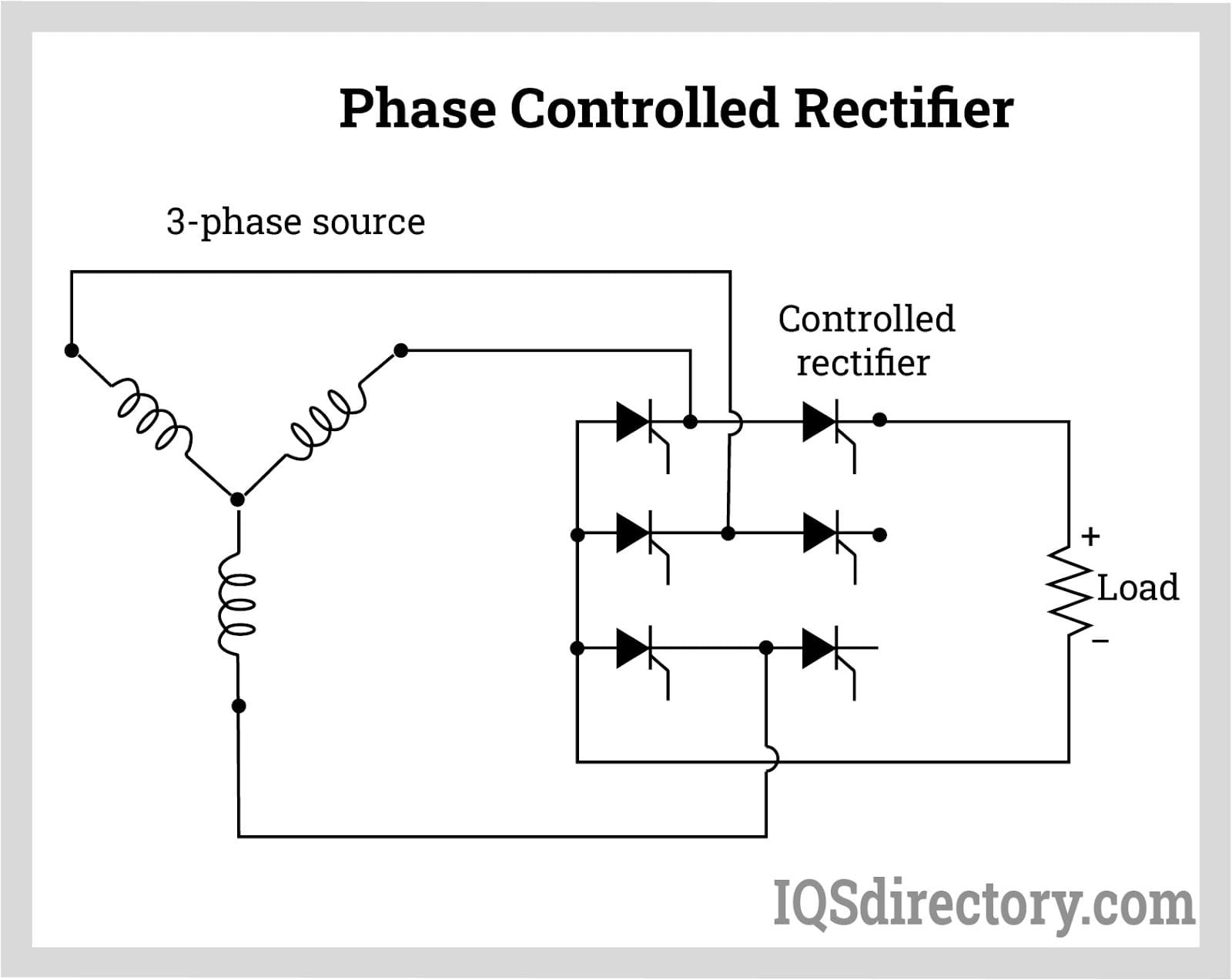
By triggering the thyristor at specific points in each AC cycle, users can modulate the average DC output voltage, making phase-controlled rectifiers highly versatile for demanding power management applications.
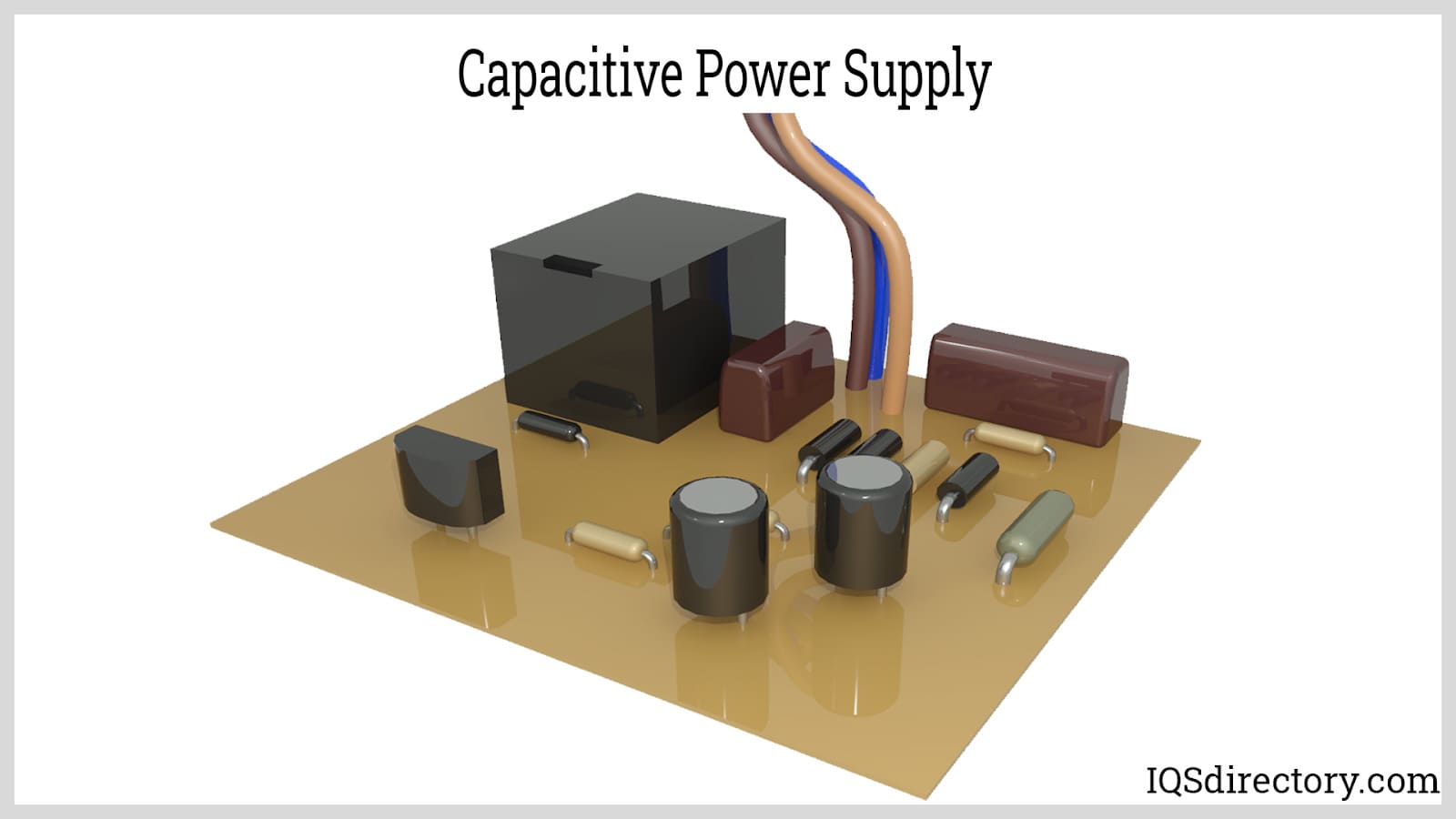
Capacitive Transformerless Converters
Capacitive transformerless AC-DC converters are compact, cost-effective, and designed for low-power applications. They convert high AC input voltage directly to low DC output voltage (typically 3V, 5V, or 12V) with limited output current, making them suitable for LED lighting, toys, small household appliances, and low-power sensors.
Switch Mode Power Supplies (SMPS)
Modern switch mode power supplies (SMPS) are the industry standard for high-efficiency AC-DC conversion. These converters use high-frequency switching technology to reduce size, heat, and power loss—making them ideal for computers, telecom equipment, industrial automation, and renewable energy applications. SMPS units offer wide input voltage ranges, multiple output channels, and advanced protection features.
Linear AC-DC Power Supplies
Linear power supplies are known for their low noise and excellent voltage regulation, making them suitable for sensitive audio, laboratory, and medical equipment. However, they are bulkier and less efficient compared to SMPS, so they are typically used in applications where noise-free DC output is a priority.
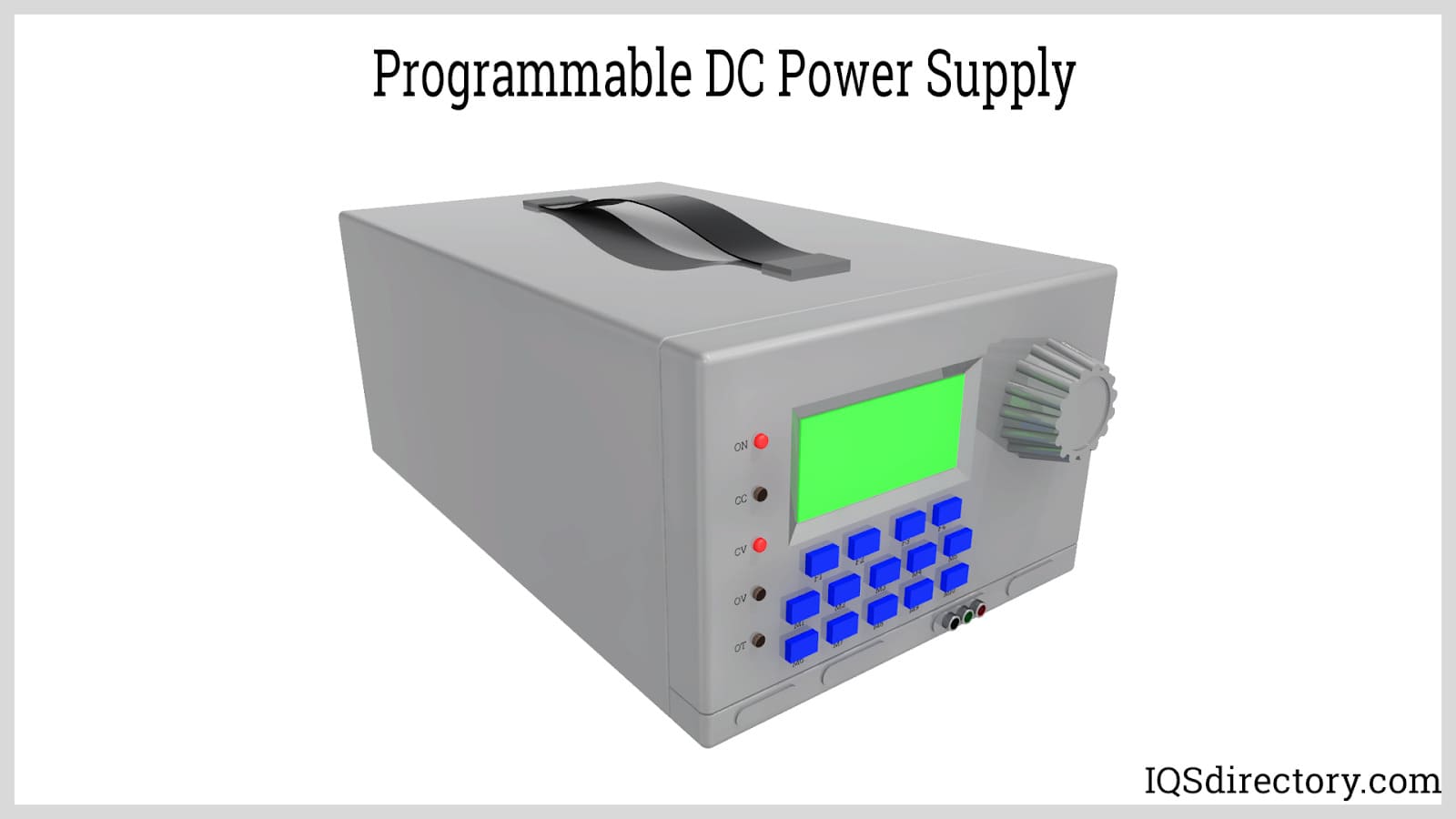
Programmable AC-DC Power Supplies
For research, testing, and industrial automation, programmable AC-DC power supplies allow users to adjust voltage and current output dynamically through digital interfaces or remote control, providing unmatched flexibility for complex systems and automated production lines.
Applications of AC-DC Converters
AC-DC converters are used in a vast array of real-world applications across multiple industries. Here are some of the most common uses:
- Consumer Electronics: Smartphones, tablets, laptops, gaming consoles, and smart home devices all depend on AC-DC adapters for reliable operation.
- LED Lighting: Modern LED fixtures require stable DC power for optimal performance and longevity.
- Industrial Automation: PLCs, sensors, actuators, and industrial controllers use AC-DC power supplies for robust, noise-free operation.
- Medical Devices: Patient monitors, imaging systems, and laboratory equipment require high-reliability, medically certified AC-DC converters.
- Electric Vehicles (EVs) and Charging Stations: Onboard chargers and wall-mounted EVSE units use advanced AC-DC power conversion for fast, efficient charging.
- Telecommunications: Network switches, routers, and base stations rely on high-efficiency AC-DC supplies for uninterrupted service.
- Renewable Energy: Solar inverters and grid-tied systems utilize AC-DC converters to condition power from renewable sources.
- Defense and Aerospace: Military-grade AC-DC converters power avionics, communication systems, and mission-critical equipment.
Looking for application-specific advice? Explore our guides on AC-DC converters for medical, industrial, or automotive applications to find the best match for your project.
Advantages and Benefits of Using AC-DC Converters
Deploying the right AC-DC converter delivers a wide range of benefits for both manufacturers and end users:
Energy Efficiency
Modern power supplies minimize energy loss, reduce heat generation, and lower electricity bills. This is especially important for devices that operate continuously or spend long periods in standby mode.Space and Weight Savings
Compact designs enable manufacturers to create smaller, lighter devices without sacrificing performance—a key advantage in consumer electronics and portable medical equipment.Enhanced Reliability
Advanced protection features, voltage regulation, and compliance with international safety standards ensure dependable operation and protect valuable equipment from damage.Cost Savings
Efficient AC-DC converters reduce the need for additional cooling systems, lower maintenance costs, and extend the lifespan of both the power supply and the connected device.Flexibility
Wide input voltage ranges, programmable outputs, and multiple form factors make it easy to integrate AC-DC converters into diverse applications, from simple gadgets to sophisticated industrial systems.
Frequently Asked Questions About AC-DC Converters
What is the difference between AC-DC and DC-DC converters?
AC-DC converters transform alternating current from the mains supply into direct current suitable for electronics, while DC-DC converters adjust the voltage level of an existing DC source. Learn more about DC-DC converters and their applications.
How do I calculate the required wattage for my AC-DC power supply?
Multiply your device’s required output voltage by its current (W = V x A) and add a safety margin (typically 20–30%). For example, a device needing 12V at 2A requires at least a 24W power supply—consider selecting a 30W unit for added reliability.
What certifications should I look for in a quality AC-DC converter?
UL, CE, RoHS, FCC, and (for medical devices) IEC 60601 are common certifications that indicate compliance with safety and electromagnetic compatibility standards.
Can I use an AC-DC converter outdoors?
Outdoor applications require converters with appropriate ingress protection (IP) ratings, wide temperature tolerance, and ruggedized enclosures. Always select units specifically rated for outdoor use to ensure safety and long-term performance.
Where can I buy AC-DC converters?
Find trusted suppliers in our AC-DC converter supplier directory or request quotes from multiple manufacturers using our convenient RFQ tool for the best pricing and support.
Choosing the Right AC-DC Converter Supplier
To ensure the best outcome when sourcing AC-DC converters, it’s wise to compare multiple suppliers. Our AC-DC converter supplier directory allows you to research and connect with leading manufacturers. Each company profile details their expertise, product range, certifications, and support options. Use our built-in contact forms to request technical information, product catalogs, or a customized quote for your specific needs.
Ready to make a selection? Review supplier websites, compare technical specifications, and use our RFQ form to contact several AC-DC converter manufacturers simultaneously. This efficient approach helps you find the most competitive offers and ensures your project requirements are fully met.
Still have questions about AC-DC power conversion? Contact our technical experts for personalized guidance.
Empower your next project with the right AC-DC power solution—maximize efficiency, reliability, and performance by choosing a converter that meets your precise needs. Get started today by exploring trusted AC-DC converter suppliers and product options on our platform!